
Infant Tethered Oral Tissue Evaluation
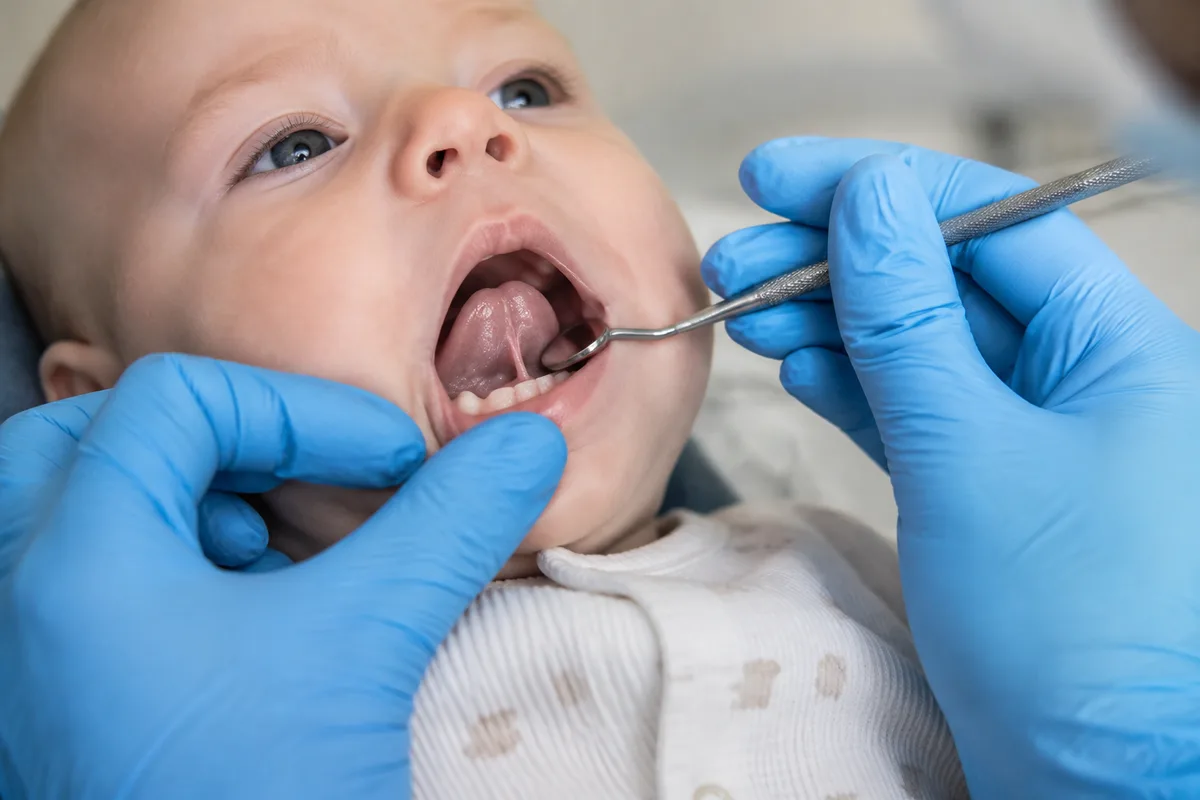
Infant Tethered Oral Tissue Evaluation
An infant tethered oral tissue evaluation looks closely at the tongue and lip to determine whether a tight or restrictive band of tissue — commonly called a tongue-tie or lip-tie — is affecting an infant's ability to feed, breathe, or develop normally. These evaluations are often sought when a baby struggles with latching, has difficulty gaining weight, or when a parent or pediatrician notices signs of restricted oral movement.
What the Evaluation Involves
- Oral Function Assessment — observing how the tongue and lips move during feeding and at rest.
- Tissue Inspection — examining the frenulum attachments under the tongue and behind the upper lip for restriction.
- Feeding History Review — discussing latch difficulties, nursing duration, or bottle-feeding challenges reported by the parent.
Why It Matters Early On
Untreated tethered oral tissues in infancy can influence feeding efficiency and, over time, the way the mouth and airway develop. Identifying these issues early allows families to make informed decisions about next steps, whether that means monitoring, myofunctional support, or a release procedure.
Who Provides This Care
Dr. Jeremy Montrose evaluates infant tethered oral tissues as part of his focus on airway and functional development. He has completed dedicated training in comprehensive frenulum inspection and surgery from infancy through adulthood, as well as functional frenuloplasty, and serves as an Orofacial Myofunctional Therapist and Breathe Institute Ambassador.
This content is for general information only and isn't dental or medical advice. Talk with your dentist or orthodontist about your own situation. If you have a medical emergency, call 911.